
Can LNG-to-power fulfil Indonesia's growing energy appetite?
With coal on the way out and gas as a transition fuel towards a cleaner and more sustainable energy mix, LNG-to-power solutions are expected to multiply in South East Asia, particularly in Indonesia.
By Daniel Mallo, Head of Natural Resources & Infrastructure, Asia Pacific Societe Generale
Liquefied Natural Gas (LNG) will increasingly play a key role as a transition energy to decrease reliance on coal and oil in the energy mix. Close to two-thirds of the global capacity in regasification will be in Asia over the next decade.
Indonesia is the largest economy in Southeast Asia and the world’s 10th largest economy in terms of purchasing power parity. In addition to a growing economy, the country is experiencing a rising energy demand. Cost reductions and plentiful supply of LNG help drive the growing LNG-to-power market in Asia, particularly in Indonesia where they are transitioning their energy production to rely less on coal and diesel. With relatively low prices, LNG is also quite well protected from extreme price volatility; coupled with a steady revenue stream from long-term electricity purchase contracts, LNG-to-power is set to grow quickly over the next few years.
SG’s role as lead arranger of Jawa-1, Asia Pacific’s first and largest LNG-to-power project, charts the blueprint of LNG-to-power trends in the region:
Healthy appetite for financing LNG-to-power projects
Amidst the backdrop of fast-growing renewable energy, the overall institutional appetite for financing LNG-to-power projects is healthy. Gas plays an integral role in the energy transition in Asia and this places LNG-to-power in a strong position from a liquidity standpoint, across the spectrum of asset classes ranging from illiquid markets for coal to high liquidity for renewables among commercial banks, multilateral organizations, export credit agencies, etc.
We see this demonstrated clearly in Indonesia – still in the early stages of adopting renewables while reducing its reliance on coal, their gas imports now exceed their own gas exports.
LNG-to-power project finance structure differs from other assets
LNG-to-power projects are different from regular project finance projects as we are dealing with two assets that are intertwined – (1) the regasification unit and (2) the gas-fired power station. The straightforward approach would be to raise a single financing straddling both assets – but to accomplish this we would require the rare occurrence of the exact same ownership of both assets.
The other approach would be to have two separate financings, but in order for both transactions to be successful, one would need to maintain a relatively consistent group of sponsors and financiers across both assets to ensure an alignment of interests across the entire value chain. This will help overcome hurdles encountered along any part of the value chain. Take Jawa-1 for instance, we succeeded with the second approach as most shareholders for one asset are also shareholders for the second asset, and the majority of lenders is involved with both assets.
Role of players in the changing market
More established market: Indonesia is a more mature market than some of the other regional markets such as Bangladesh, Vietnam, Myanmar, and is well-positioned to transition into different sources of energy. Broader sources of liquidity are available to finance projects of this nature, without having to rely predominantly on multilateral organisations.
Reshuffling of players and assets: Some of the large international oil & gas companies are re-assessing their business portfolios and are likely to exit some markets as a result, shedding assets that are no longer deemed strategic. Other players will then come to the fore with mid-tier companies picking up some of these assets (e.g. Medco Energi in Indonesia). We will see reshuffling in the market and some large players may even invest downstream and in projects such as Jawa-1 to further stimulate LNG demand and open new demand markets.
In conclusion, we expect to see an acceleration in investments in the LNG-to-power asset class in Indonesia and more broadly in South East Asia, driven by an ongoing shift in energy policies, a renewed competitiveness of natural gas as a fuel and a keen interest by both large oil & gas companies and traditional power developers to invest in this asset class.

Societe Generale adds healthcare to its Asia Pacific Industry Group platform with senior appointment
Societe Generale today announced the addition of the Healthcare sector to its Asia Pacific Industry Group platform,...

Societe Generale appoints Head of Equity Capital Markets for Asia Pacific
As part of its global Investment Banking ambitions, Societe Generale has accelerated the development of its Equity...

Societe Generale named "Americas Bank of the Year" by PFI
Societe Generale has demonstrated its leadership in project and infrastructure finance, earning several recognitions...
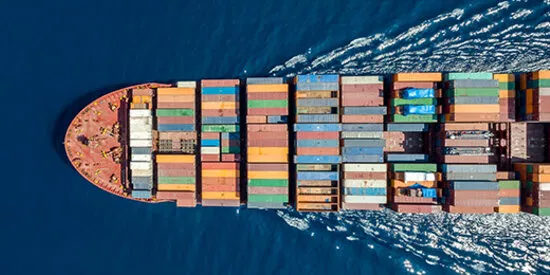
Why ship finance will keep steaming ahead in 2026
By Pierre Carassus, Head of Maritime Industries, Asia-Pacific at Societe Generale.

By Tessa Dann, Head of Sustainable Finance, Asia Pacific

By Soo Tat Kua, Head of Global Transaction and Payment Services, Asia Pacific, Societe Generale
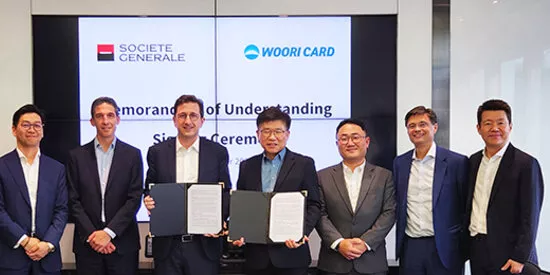
Societe Generale today announced the signing of a Memorandum of Understanding (MOU) with Woori Card, a wholly owned...
Societe Generale’s Global Markets Conference returned to Hong Kong on 15 October, offering fresh insights into the...
The Risk Asia Awards is one of the most established and prestigious recognitions in the region, celebrating excellence...