
Asia’s 2026 Market Outlook: Resilience amid rotation
As we head into 2026, investors face a world of slower global growth, persistent inflation pressures, and evolving policy responses. Amid this backdrop, Asia stands resilient. Structural shifts – led by AI-driven investment and targeted policy support – are shaping opportunities across macro, equities, and FX/rates.
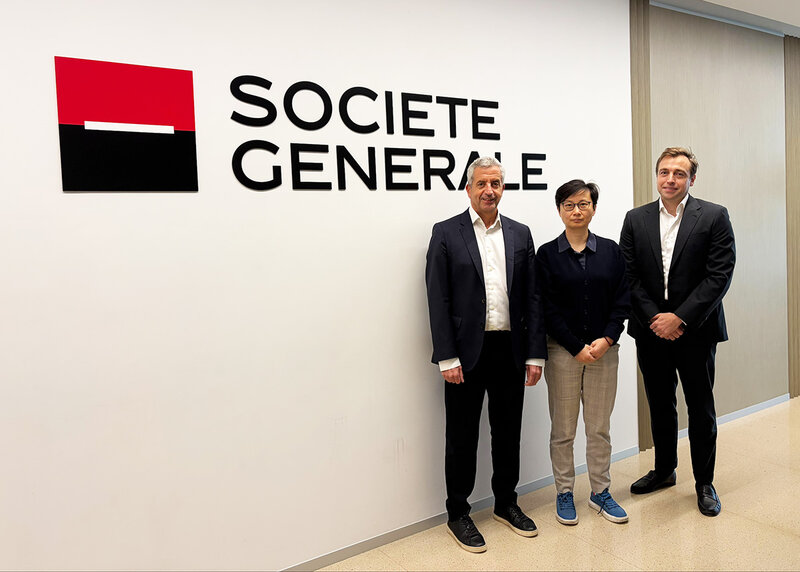
(left to right) Frank Benzimra, Head of Asia Equity Strategy and Multi-Asset Strategist; Wei Yao, Head of Research & Chief Economist for APAC; Stephen Spratt is APAC Developed Markets Rates Strategist
Macro: Resilient through uncertainty
Global growth is expected to moderate but remain resilient. In the US, the effects of tariff shocks and lingering uncertainty continue to filter through the economy. However, AI-driven capital expenditure and fiscal stimulus should provide a cushion for growth in 2026. Inflation is likely to continue trending lower despite tariff pressures, though a return to the 2% target will be gradual. Against this backdrop, we expect the Federal Reserve to ease policy further, albeit cautiously. Asia remains supported by tech-driven demand. AI-related investment and strong electronics demand should help offset tariff headwinds and sustain export momentum. Regional central banks are approaching the end of their easing cycles, while fiscal policy is stepping up to play a larger role in supporting domestic demand. China is gradually emerging from a deflationary trap, with GDP growth projected at around 4.5% in 2026 as incremental stimulus and targeted measures stabilise property markets. The policy pivot toward consumption is slow but increasingly evident.
Emerging Asia outside China benefits from technology-led exports and AI investment, particularly in South Korea and Taiwan, while Southeast Asia gains from supply chain diversification and robust electronics demand. India is regaining momentum, supported by GST cuts and monetary easing. Japan’s economy is underpinned by expansive fiscal measures and gradual monetary normalisation, with growth expected to experience a modest lift in 2026.
Equities: AI momentum and China’s strategic shift
The AI investment cycle remains the defining theme for global and Asian equities. Cash flow generation from global AI firms is expected to outpace capex through 2026–2027, reinforcing confidence in the durability of this trend. In China, innovative sectors including semiconductors, green technologies, and advanced consumer industries are central to policy priorities and earnings growth. These areas align with long-term goals of technological self-sufficiency and sustainability. Beyond China, India offers exposure to financials and domestic demand, while Japan’s banks and traditional sectors benefit from fiscal stimulus and governance reforms. Index targets remain constructive: MXASJ Index +9%, MSCI China +11%, Nikkei 225 +9% and Nifty +13% over the next 12 months, with upside driven primarily by earnings growth rather than valuation re-rating.
FX/Rates: Fed cuts, Japan’s curve, and a stronger dollar
Policy divergence will shape rate and currency markets in 2026. The Fed’s expected cuts should push US yields lower, supporting treasuries relative to global peers. In Europe, quantitative tightening and fiscal expansion point to higher natural rates and a steeper yield curve, with Bund 10-year yields potentially reaching 3.25% by year-end — though this will depend on whether ECB hike risks materialise. In Japan, the Bank of Japan is expected to gradually hike interest rates, with a first increase to 0.75% in December 2025, followed by a further rise to 1.0% by July 2026 — reaching the lower end of its neutral rate estimates. Inflation is forecast to dip below the BoJ’s 2% target, averaging 1.6% in FY 2026. This still relatively loose monetary policy, combined with the expansionary fiscal measures proposed by the new Takaichi administration, will likely steepen the yield curve, though the risk of further yen depreciation could introduce volatility.
In Australia, the rapid shift from an easing bias to a tightening bias has caused market volatility. We believe the RBA will be hesitant to raise rates in the very near-term but see rate hikes as a possibility later in the year. As a result, we expect the yield curve to flatten.
Meanwhile, the US dollar is likely to stay firm against Asia FX, supported by relative growth and earnings strength. This revival of US exceptionalism underscores the need for active FX risk management in regional portfolios.
Investor Takeaways: Stay nimble, diversify, hedge
Asia enters 2026 with resilience and opportunity. AI infrastructure, advanced manufacturing, and green transition themes will drive growth, while fiscal support and policy shifts provide a stabilising backdrop. Risks remain — from geopolitics to housing imbalances —but the region’s structural strengths are clear.
For investors, the message is simple: stay nimble, diversify beyond technology, and hedge strategically. With disciplined positioning, portfolios can capture Asia’s upside while navigating global uncertainty. In short, 2026 is a year to be risk-on—with protection.
Click here to read the full reports (subscribers only):
Global Economic Outlook: Past peak uncertainty, but…: https://doc.sgmarkets.com/en/3/0/1059631/349675.html?sid=24c889e7ce7e31fefd6435c3d0145e82
Asia Equity Strategy 2026 Outlook: The rotation trade is on, time for India to shine: https://doc.sgmarkets.com/en/3/0/1059631/350278.html?sid=3f9f7eb38908fc8d4328107da6717ad0
FI Outlook 2026: Duration unleashed: https://doc.sgmarkets.com/en/3/0/1102756/350263.html?sid=ec108d84dc867964ec3e4caecdf3a823

Plunge in South Korean stocks saps an astounding market ride for now
By Rajat Agarwal, Asia Equity Strategist at Societe Generale.

Societe Generale adds healthcare to its Asia Pacific Industry Group platform with senior appointment
Societe Generale today announced the addition of the Healthcare sector to its Asia Pacific Industry Group platform,...

Societe Generale appoints Head of Equity Capital Markets for Asia Pacific
As part of its global Investment Banking ambitions, Societe Generale has accelerated the development of its Equity...

Societe Generale named "Americas Bank of the Year" by PFI
Societe Generale has demonstrated its leadership in project and infrastructure finance, earning several recognitions...

By Pierre Carassus, Head of Maritime Industries, Asia-Pacific at Societe Generale.

By Tessa Dann, Head of Sustainable Finance, Asia Pacific
As we head into 2026, investors face a world of slower global growth, persistent inflation pressures, and evolving...

By Soo Tat Kua, Head of Global Transaction and Payment Services, Asia Pacific, Societe Generale

The China edition of Societe Generale’s Positive Impact Day explored the role of capital, technology and international...